


From Crisis Response to Climate Justice:
What Our Partners Do Around the World
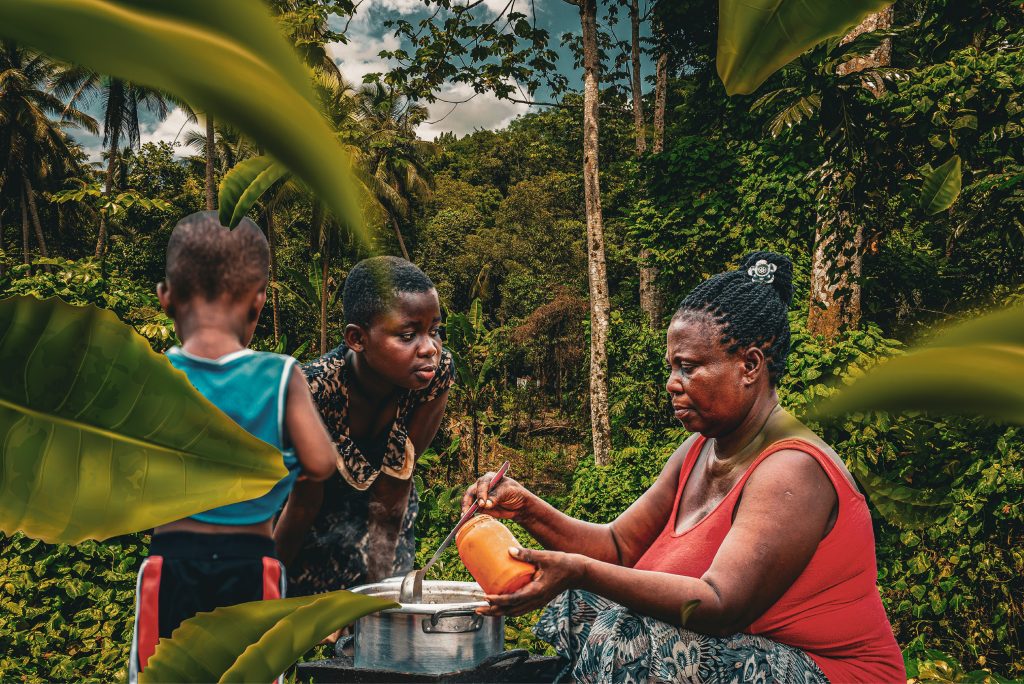
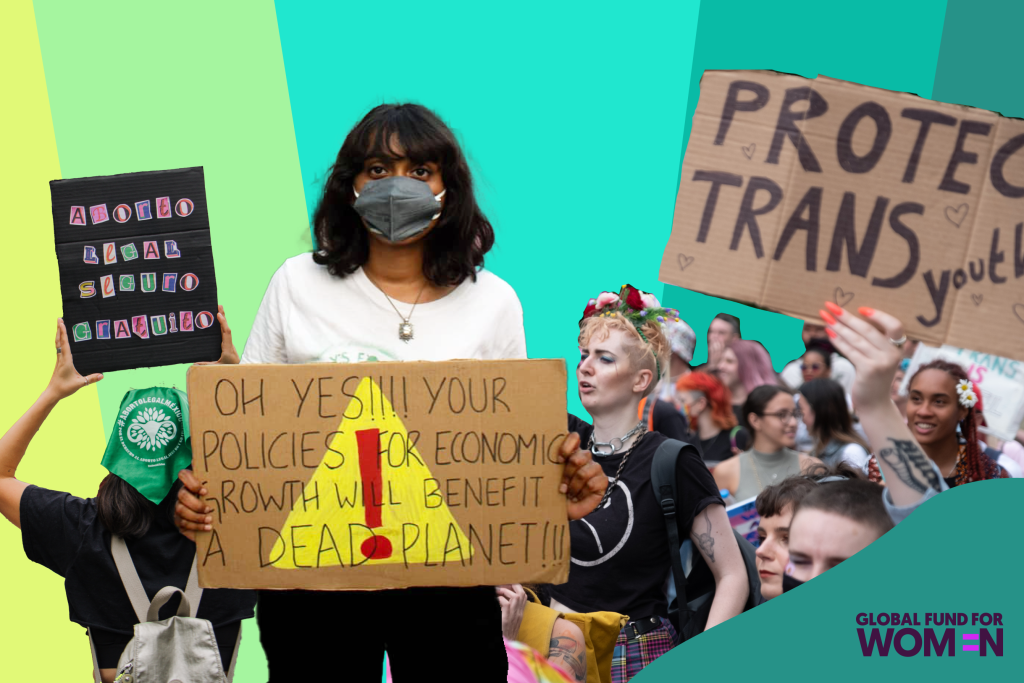
Gender justice is not a single issue. Around the world, our partners — grassroots feminist organizations — are tackling some of the most complex challenges communities face. They're providing crisis care, fighting for reproductive rights, pushing institutions to protect survivors of violence, and leading climate solutions. These stories are a glimpse of what that looks like.
Crisis Response: Emergency shelter, legal support, and care
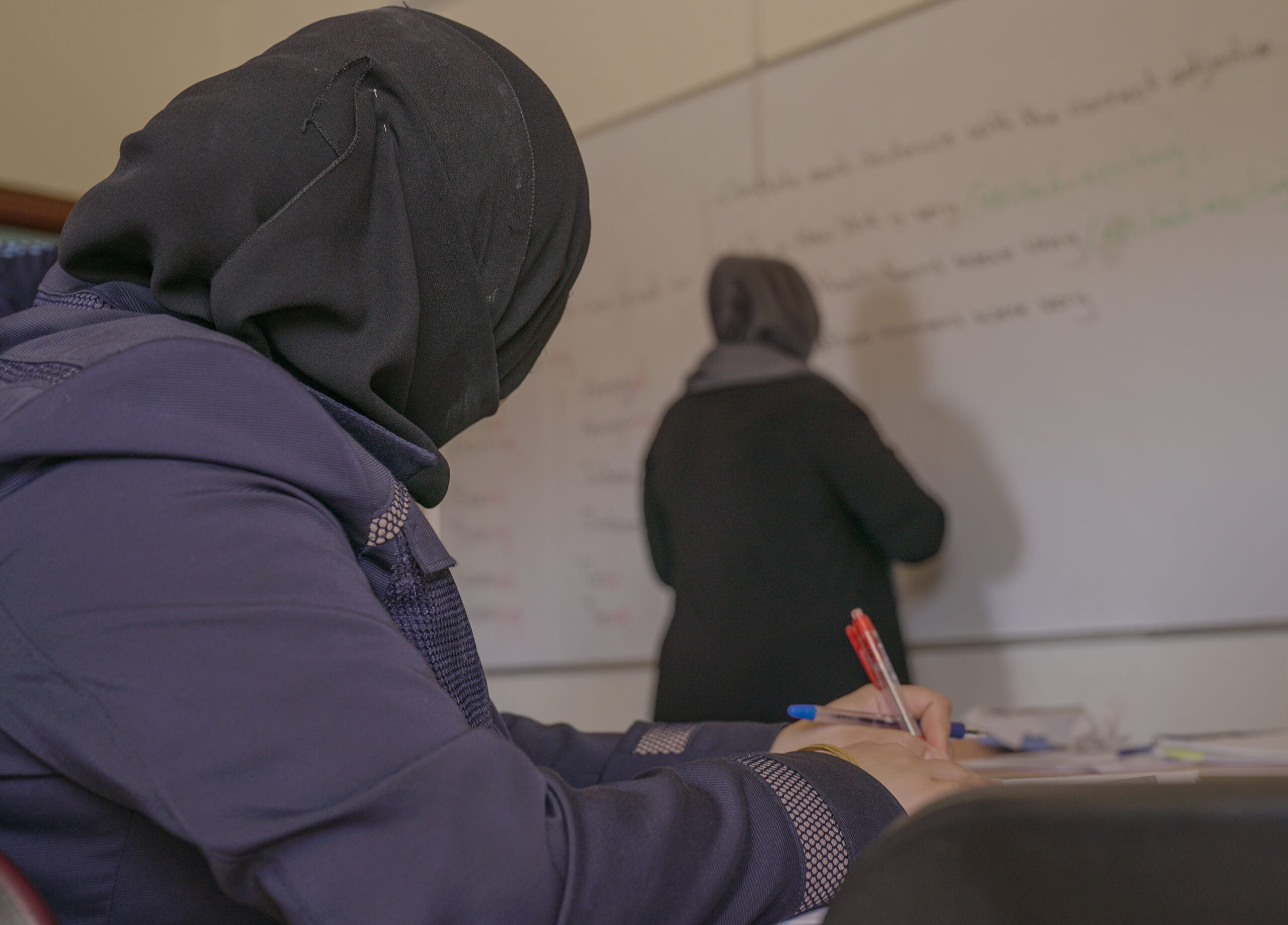
In Lebanon, an organization founded by Ethiopian migrant domestic workers set out to protect migrant and African refugee women and girls domestic workers trapped in Lebanon's kafala system — a sponsorship arrangement that gives employers near-total control over workers' legal status, movement, and pay. Migrant domestic workers are among the most invisible and under-protected communities in the region. Many have no legal recourse and no safety net if things go wrong.
Our partners fill that gap. They provide emergency shelter, food, legal aid, and mental health support to migrant workers in crisis, and for many, they’re the only place to turn. But they don't stop at immediate relief. A landmark policy win secured by our partners stopped Lebanese authorities from allowing employers to criminalize workers who flee abusive situations, protecting the very people the law had long failed.
Freedom from Violence: Changing the institutions that fail survivors
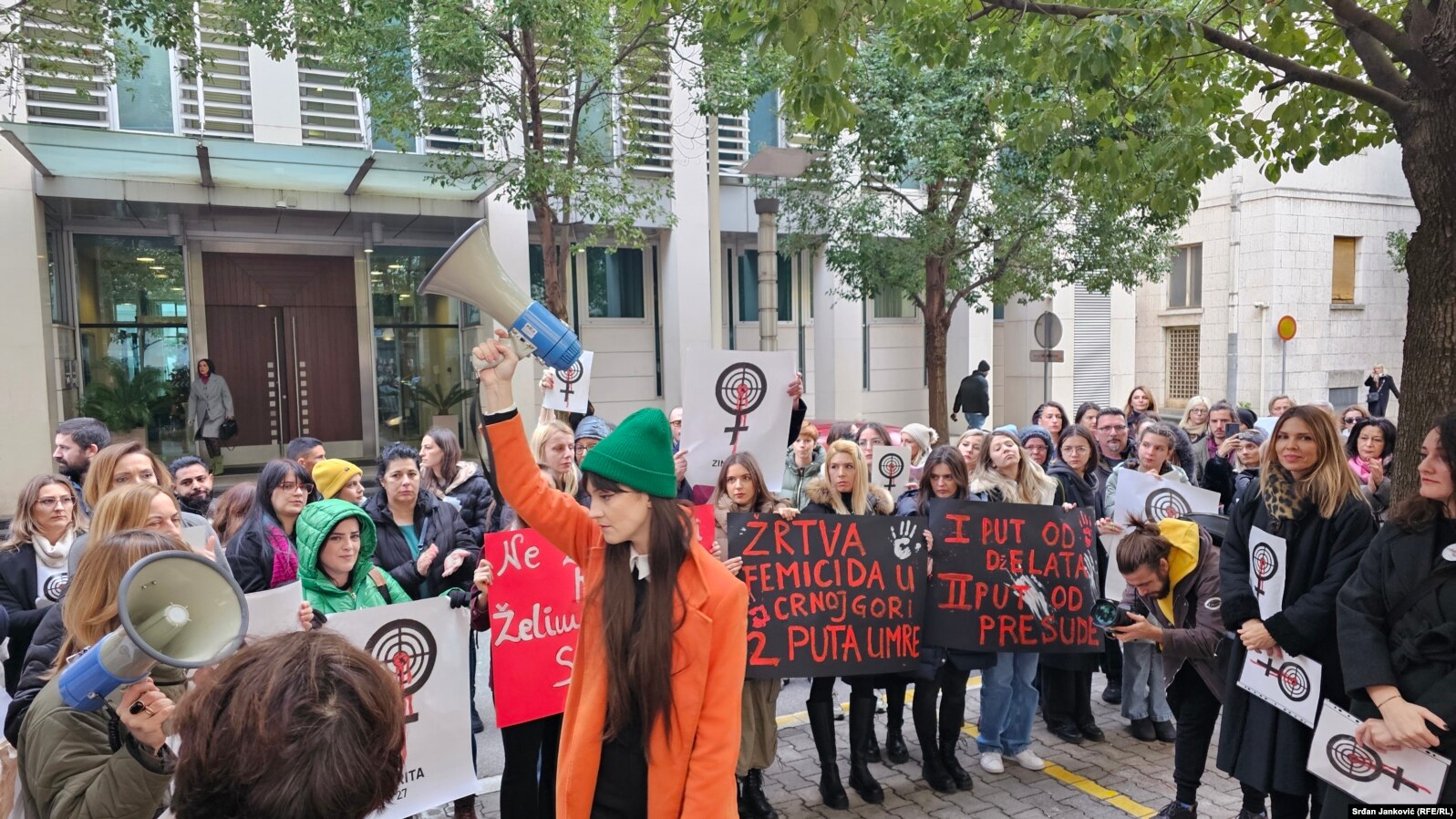
Our partners in Bosnia and Herzegovina spent years documenting how police were failing survivors of gender-based violence. They built evidence, pointed out shortcomings, and pushed for change. And then something rare happened: the Ministry of Internal Affairs itself acknowledged the failures and asked for help.
The result was the first training program of its kind — 180 police officers learning to recognize patterns of control and fear, assess escalation risk, and respond in ways that make survivors more likely to seek help, not less. For many officers, it was the first time they understood why survivors withdraw reports.
The training has since opened the door to long-term cooperation between our partners and police structures on risk assessment and victim protection procedures.
Sexual and Reproductive Justice: Bringing healthcare where it's needed most
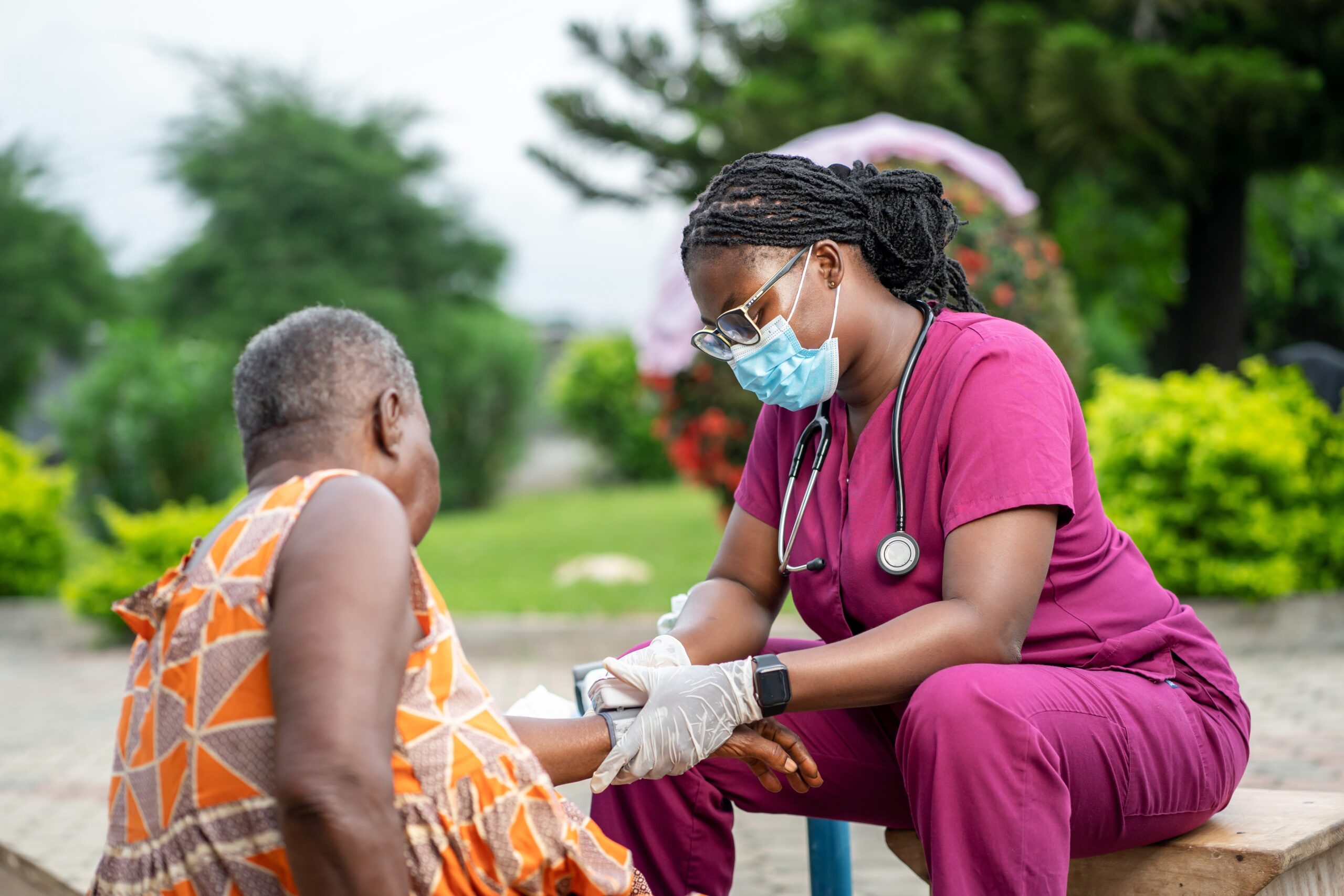
A group of nurses and doctors in Kenya watched too many women die from unsafe procedures in hospitals. So they built a different system — one rooted in communities rather than institutions. Thirty years later, their work has shaped national policy.
In 2025, they partnered with government to develop Kenya's Post Abortion Care Standards. They conducted 858 community health education sessions reaching more than 9,500 women and girls. And they referred 913 people for health services, including medical abortion care, that for many was available nowhere else.
In May 2026, Kenya's Court of Appeal struck down a ruling that had affirmed the right to abortion. At least 2,600 women die from unsafe abortions in Kenya each year. Rulings like this one deepen those risks and make long-term investment in our partners more critical than ever.
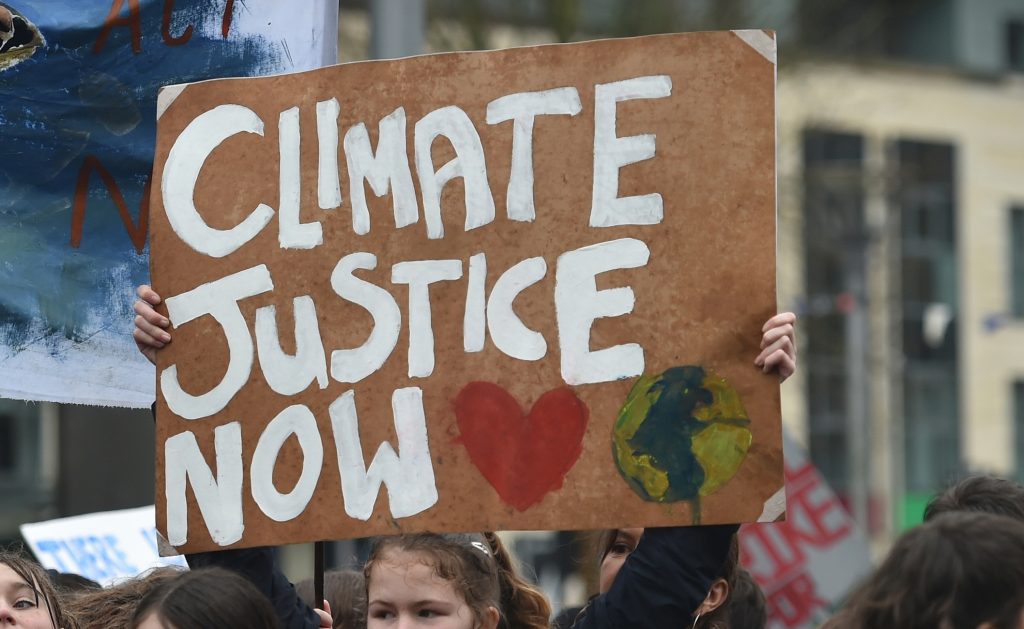
Climate Justice: Holding polluters accountable
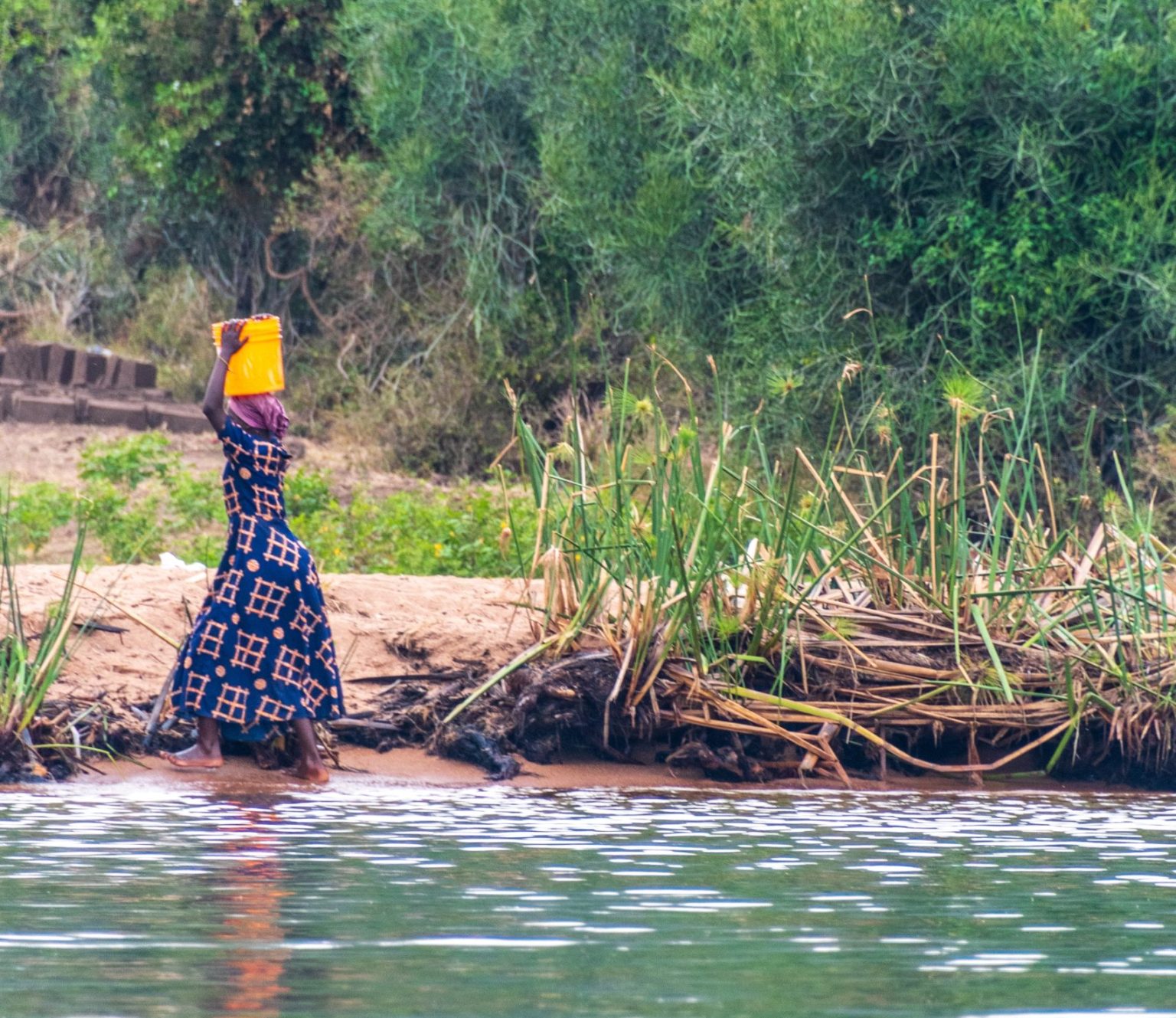
When companies moved into wetlands along the Nile River and began polluting the water, a group of young women from the affected communities came together to fight back. They took the companies to court, demanding accountability for the damage done, and they won, securing the closure of companies damaging water sources their communities depend on.
Their mission continues. Our partners run a fellowship that trains young women on climate policy advocacy, equipping them to sit on environmental subcommittees historically dominated by men and push for policies that reflect the realities of the communities most affected.
Real issues. Real communities. Every day.
These stories are a window into what's possible when feminist grassroots groups are funded and trusted to lead. Around the world, our partners are doing this work and more.
Global Fund for Women has been finding and funding these groups for nearly 40 years. Your support keeps that possible.
Related Articles