



2025
Year in
Gender Justice
In 2025, feminist organizations stood at a crossroads of crisis and resistance across the globe. Regressive policies and devastating funding cuts threatened to unravel decades of progress, leaving vital grassroots organizations on the brink, or worse, shuttered. But from the streets of El Fasher, Sudan, to the Parliament halls in Rabat, Morocco, our partners are not just holding the line, they are reimagining what’s possible for women, girls, and historically marginalized communities.
Join Global Fund for Women in looking back on a year of profound challenges and extraordinary feminist resistance, wins, and momentum.
1. Global Funding Cuts: A Feminist Emergency
Sweeping international aid cuts are gutting the feminist infrastructure that women and girls around the world rely on. These cuts, including the United States’ $60 billion aid rollback this year, risk reversing decades of gains for women’s health and rights. Nearly 90% of women’s rights organizations report severe reductions in violence prevention services. Half of the organizations serving women and girls in crisis settings said they may have to shut down altogether.
A Global Fund for Women grantee in Kenya explained: “We’re not just losing funding. We’re losing lives.” Experts warn that funding disruptions will lead to an estimated 34,000 additional pregnancy-related deaths within a year.
PARTNERS IN PROGRESS
In Guatemala, a trans-led group saw their clinic lose critical funding for HIV treatment, prevention, and political education. “This isn’t just a crisis for our generation, but for the next one,” their director shared. “Now we’re being forced back into survival mode.” When other donors stepped away, Global Fund for Women stepped in, with a rapid-response grant to cover essential medications, keep staff on payroll, and keep the clinic’s doors open to continue to deliver life-saving care.
2. Uganda: Girls Leading Climate Justice in a Polluted Watershed
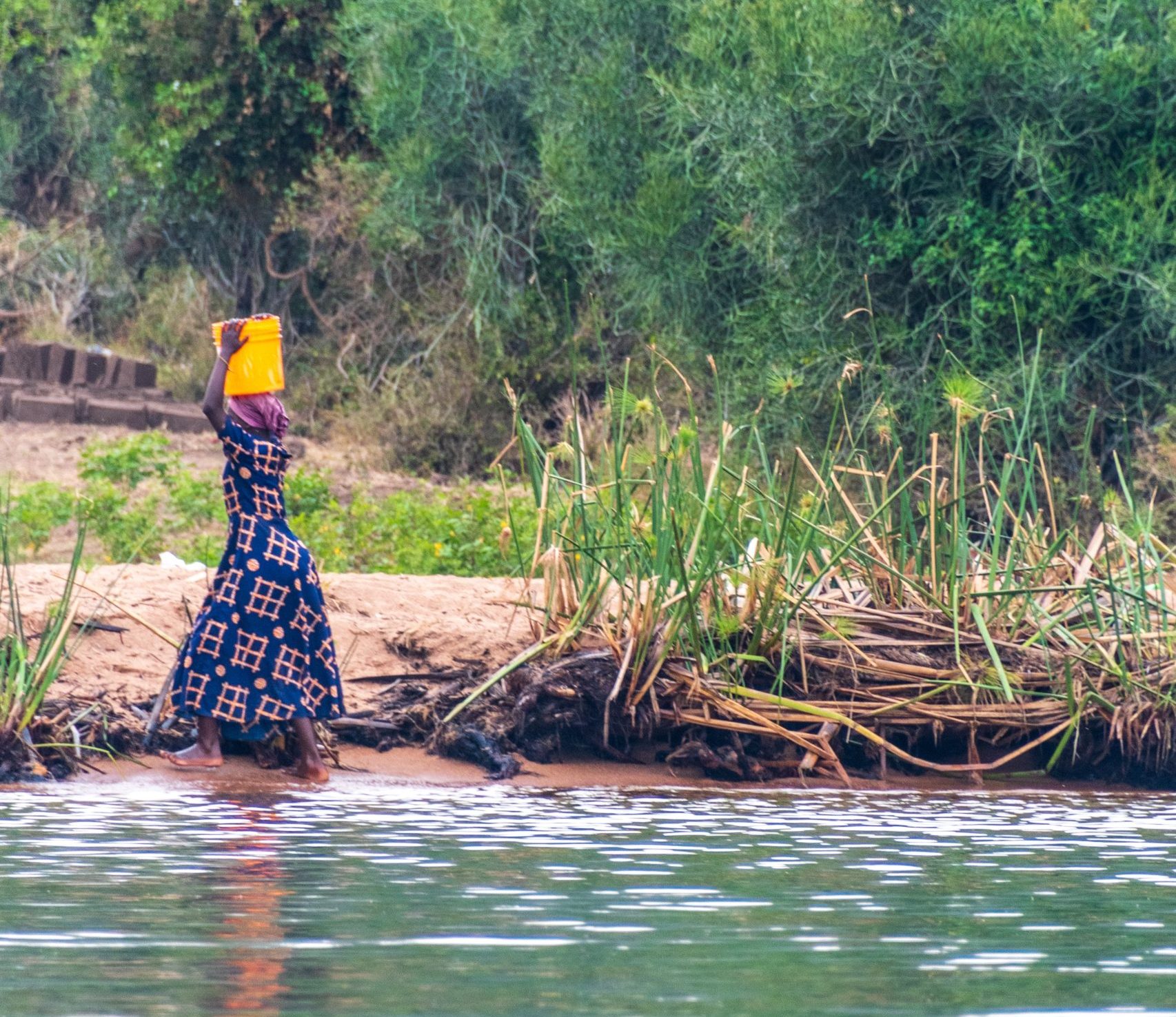
In Uganda’s River Nile basin, industrial pollution has emerged as an environmental emergency. Tributaries are contaminated with polluted factory discharge which flows into the Nile and affects entire communities that rely on this water for cooking and cleaning. Women and girls face disproportionate harms: contaminated water has spread illness to pregnant people and impeded basic daily tasks that women and girls often lead like washing and subsistence farming.
PARTNERS IN PROGRESS
A local Ugandan organization, supported by Global Fund for Women, ties girls’ voices directly to water justice campaigns and corporate accountability efforts. This year they pursued and won a case against a corporate polluter. This youth-led organization helps girls understand policy processes and participate meaningfully as capable leaders in local and global advocacy. Our partner is fostering leadership to stand against water and environmental injustice today and in the decades to come.
3. The Caribbean: Recovery and Resilience after Hurricane Melissa
Hurricane Melissa, one of the most intense Atlantic storms on record, caused torrential floods and landslides across Jamaica, Haiti, and Cuba. People lost homes, livelihoods, food and water access. In Jamaica, the total damage is estimated at US$8.8 billion, equivalent to approximately 41 percent of Jamaica’s 2024 gross domestic product. “Hurricane Melissa was not a natural disaster—it was a profound manifestation of climate injustice,” a Global Fund for Women grantee explained. “Our communities, those least responsible for this climate crisis, are now paying the highest price.” The disaster has intensified gender and social inequalities, with women, girls, and female-headed households facing heightened exposure to health risks, unpaid care burdens, limited access to essential services, and increased risks of gender-based violence.
PARTNERS IN PROGRESS
Before the hurricane even made landfall, Global Fund for Women grantees had already taken action by training women in disaster readiness, distributing emergency kits, and enrolling women farmers in a crop insurance program that ensured rapid access to post-disaster funds. In the storm’s immediate aftermath, partners launched coordinated relief operations and distributed essential hygiene and shelter supplies. They organized clothing drives and partnered with other community organizations to reach those most in need, including young people. A Jamaican group summed up the collective response best: “We believe that true resilience is built before, during, and after a crisis.”
GIVE TODAY TO SUPPORT GENDER JUSTICE
4. DRC: Demanding Justice in a Deepening Emergency
The Democratic Republic of the Congo (DRC) is facing a staggering and deeply gendered crisis. Over 5.7 million people are currently internally displaced. Critical services have collapsed, and schools and hospitals lie in ruins. Violence against women and girls is accelerating dramatically. Up to 52% of women in DRC are survivors of domestic violence.
PARTNERS IN PROGRESS
As traditional humanitarian structures falter, local feminist organizations are filling critical gaps, including getting resources to survivors via mobile transfers, creating safe spaces, and sustaining community networks under fire. Global Fund for Women partners are responding with targeted aid: food and medical support, and security trainings for displaced women and girls in active conflict zones. Amid this violence and institutional collapse, feminist activists face threats and forced displacement themselves: “Our movement members are in grave danger, simply for denouncing the cases of survivors and seeking justice,” a feminist activist relayed. “We are facing reprisals. But we cannot remain silent; we have to raise our voices to protect the people we serve.”
5. Gaza: Uncertain Ceasefire, Unfinished Justice
In Gaza, a long-awaited ceasefire has given way to a devastating hunger crisis, driven by deliberate policies that weaponize starvation and dismantle food systems. Feminist leaders describe a landscape where starvation, trauma, and the fear of renewed violence coexist, even as families reunite and try to navigate the fragile days that follow.
PARTNERS IN PROGRESS
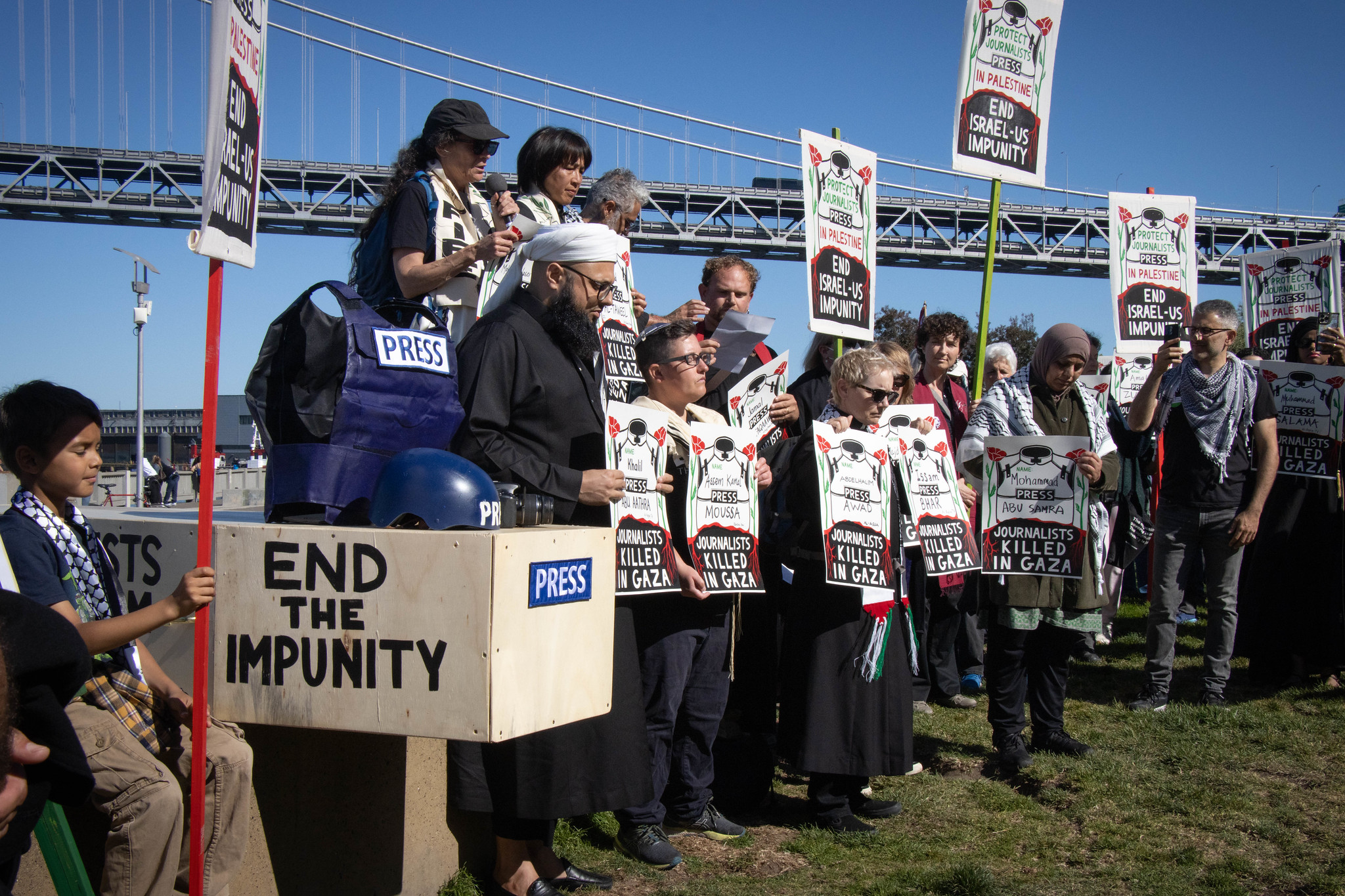
In Gaza, a Global Fund for Women-supported media organization is keeping a spotlight on women and girls’ experiences in the war. As other outlets have gone dark, this platform remains a lifeline: empowering female journalists to report on births in displacement centers, gender-based violence in shelters, and the daily fight for food, water, and dignity. Through their reporting, they are documenting the crisis, supporting survivors, and ensuring that women's stories are not erased.
6. Morocco: Advancing Laws, Resisting Rollback
When the Moroccan government opened a rare window to revise its Moudawana (Family Code), feminist grassroots groups seized the moment. They had been pushing for progress since the last reform window in 2004 and quickly organized across cities and villages to challenge laws that permitted polygamy, child marriage, and unequal inheritance. This push came amid a backdrop of shrinking civic space, rising fundamentalism, and rollback of rights that disenfranchised women’s full participation in public and private life. But just as feminist organizing gained momentum, major international donors froze funding, and many groups faced devastating cuts.
PARTNERS IN PROGRESS
Global Fund for Women provided rapid response grants to Moroccan feminist organizations, allowing them build on their longstanding work instead of losing momentum: to maintain staffing, keep community centers open, and sustain advocacy efforts with Parliament. Our partners deepened outreach campaigns and legal literacy programs, trained young leaders to carry the movement forward, and deployed legal help to women and families. Their work was successful: the draft reforms proposed major changes, including raising the minimum marriage age, restricting polygamy and giving divorced women custody of children after remarriage. As the final revised code emerges, our partners are not just waiting for reform, they are shaping its implementation.
7. Nepal: Youth Forge a New Path
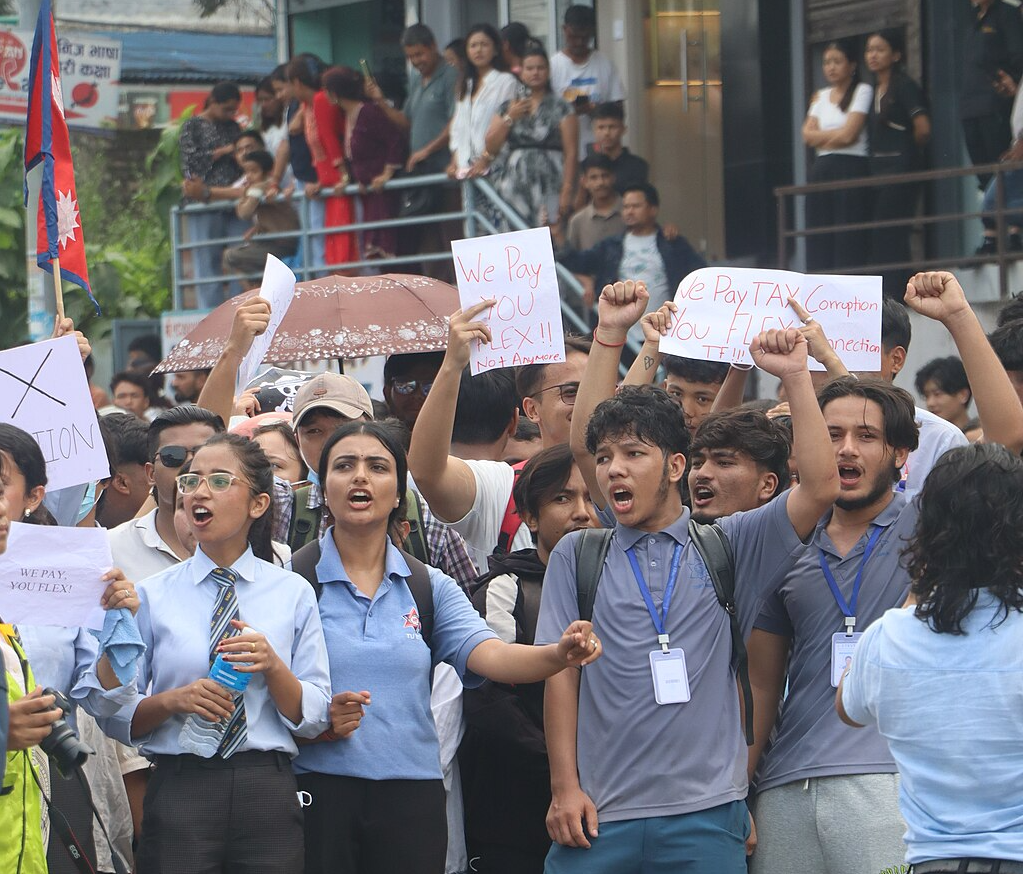
In September 2025, youth-led protests erupted across Nepal as a generation of young people voiced years of frustration with corruption, nepotism, and economic exclusion. The Nepal protests follow a global pattern of young activists rising up against authoritarian restrictions and broken systems. The protests were powerful, and resulted in the country’s first female Prime Minister, but their aftermath has left the country in a fragile state with rising unemployment and fractured civic services.
PARTNERS IN PROGRESS
In the political unrest, girls face increased restrictions on their movement as families seek to protect them, leading to interrupted education and limited participation in community life. Our partners responded with safe spaces, mental health support to survivors of gender-based violence, and trainings on safety and security measures, supporting women and girls to be full participants in civic life. Collectively they are helping the promise of the protests actualize into change.
8. Sudan: Feminist Groups Rise Amid Horror
The crisis in Sudan is catastrophic. Humanitarian systems have collapsed and funding for aid efforts is critically low. A power struggle between the Sudanese army and a paramilitary group has resulted into full-scale war with mass displacement and targeted attacks on civilian infrastructure. Women and girls are enduring starvation, displacement, rape, and bombardment. A food crisis has reached alarming proportions—approximately 45% of Sudan’s population, over 21 million people, are facing high levels of acute food insecurity.
PARTNERS IN PROGRESS
Grassroots groups have stepped in where systems have collapsed, with food, shelter, and safety. One of Global Fund for Women’s partners in Sudan is operating community kitchens that feed tens of thousands of women and girls daily. These kitchens are offering more than food: they are emergency hubs. They provide shelter for survivors of sexual violence, train first responders, and restore connection and care amid crisis.
Global Fund for Women has stood with Sudanese feminists and grassroots movements for over 35 years, providing flexible, long-term funding that supports their leadership and strengthens the feminist infrastructure needed to respond in crisis and beyond.
Throughout the year our partners didn’t just weather crisis, they reshaped what’s possible. From courtrooms to conflict zones, they are sustaining communities, advancing justice, and demanding change.
This work is bold, vital, and underfunded. With your support, Global Fund for Women can continue fueling this work to build a just future for women and girls around the globe.