


When Hurricane Melissa hit Jamaica in October 2025 as a Category 5 storm, it became one of the most powerful hurricanes ever to make landfall on the island. Lives were lost. Homes were destroyed. Entire communities were displaced. Farms were wiped out. 25,000 people were forced into emergency shelters.
But our partners in Jamaica were ready. Here's what they did months before the storm:
- Conducted specialized disaster preparation training, teaching emergency response protocols and community coordination.
- Distributed disaster preparedness kits containing first aid supplies, power banks, tarps for emergency shelter, lanterns, and shelter repair materials
- Held workshops and registered farmers for parametric insurance, a financial tool that provides cash immediately after disasters without lengthy assessments.
When the Hurricane Hit, Our Partners Were First Responders
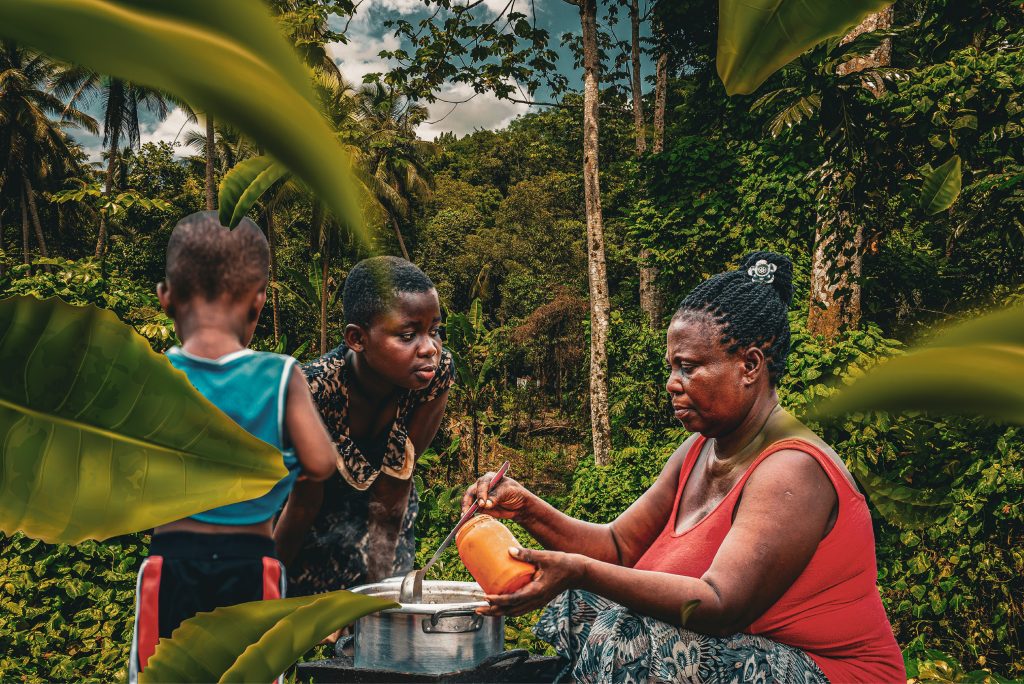
Within days of the storm, they were distributing care packages, generators, air mattresses, hygiene products, and blankets across their communities.
Women who had registered for the parametric insurance received immediate cash to buy food, fix their homes, and address the most urgent needs of their families.
They worked with families to identify and mobilize the best help for individuals and communities.
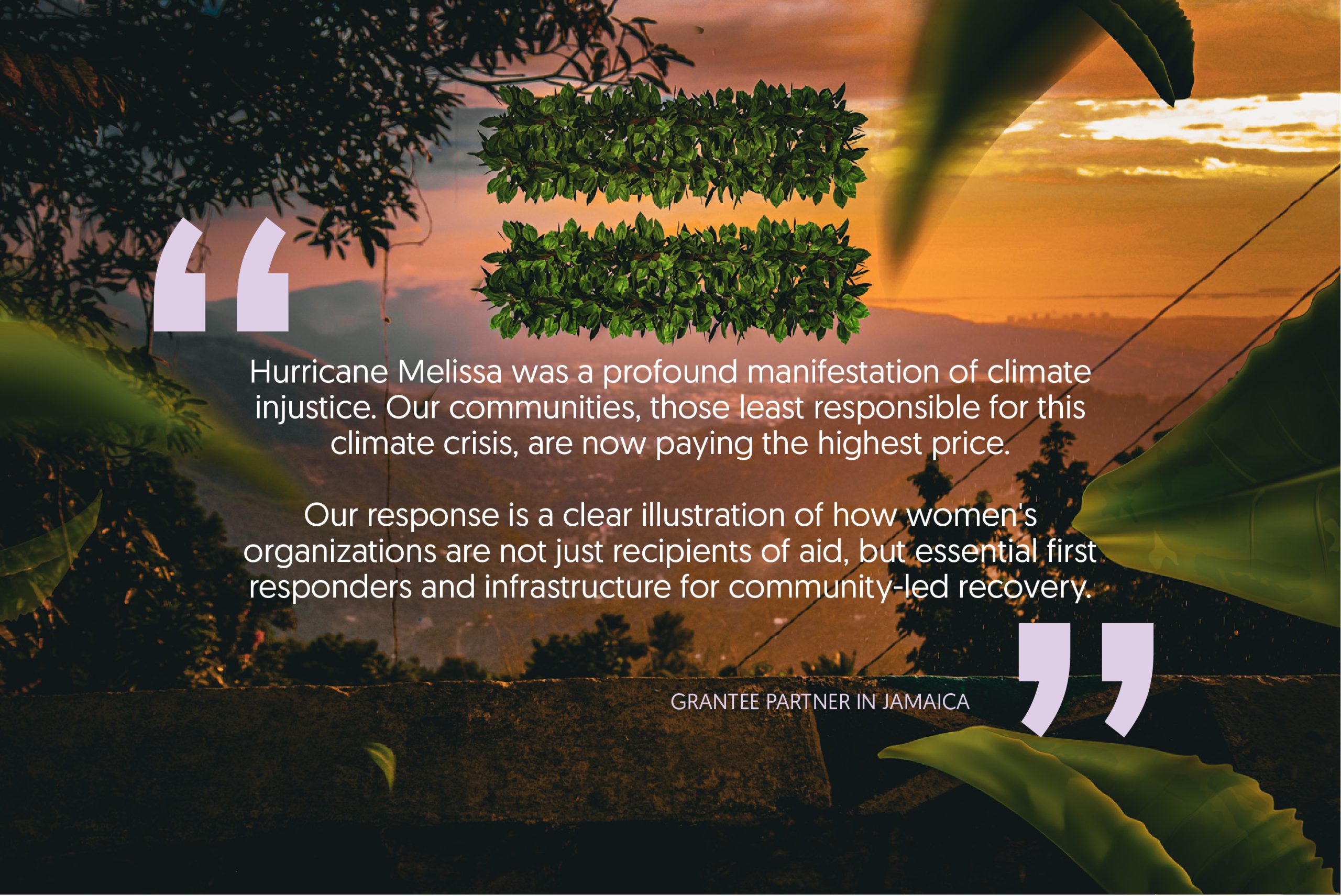
Hurricane Melissa was a profound manifestation of climate injustice. Our communities, those least responsible for this climate crisis, are now paying the highest price. Our response is a clear illustration of how women's organizations are not just recipients of aid, but essential first responders and infrastructure for community-led recovery.Grantee Partner in Jamaica
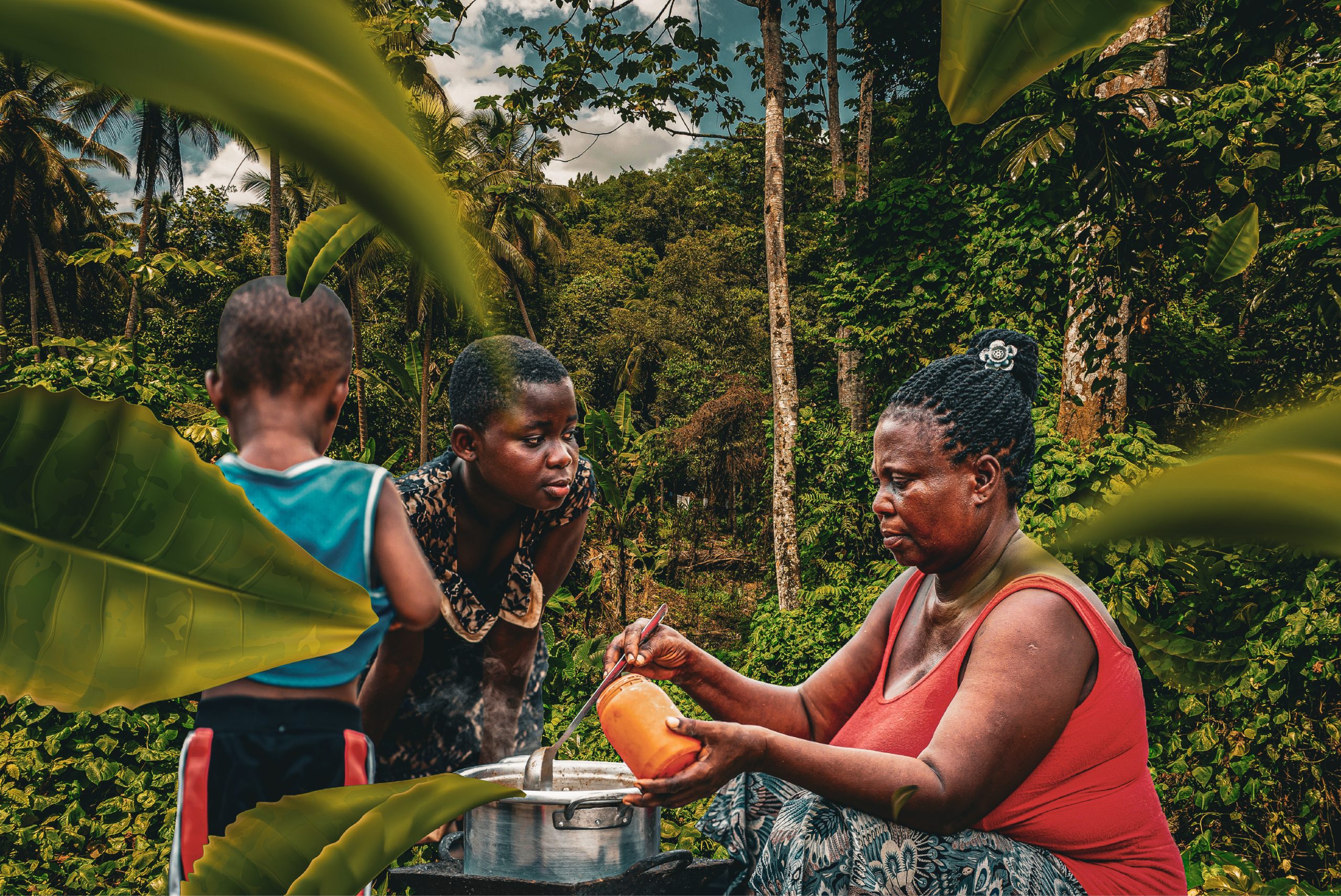
When farms are destroyed, families lose income and food security is undermined.
Why this is a gender justice issue: Women and gender non-conforming people often bear a double burden in the aftermath of disasters as they find ways to feed their families while also taking on increased caregiving responsibilities. As schools close and children remain at home, and as illness rises, particularly among older family members, the demand for care intensifies. This significantly increases the unpaid care burden on women, alongside the pressures of rebuilding homes and restoring livelihoods.
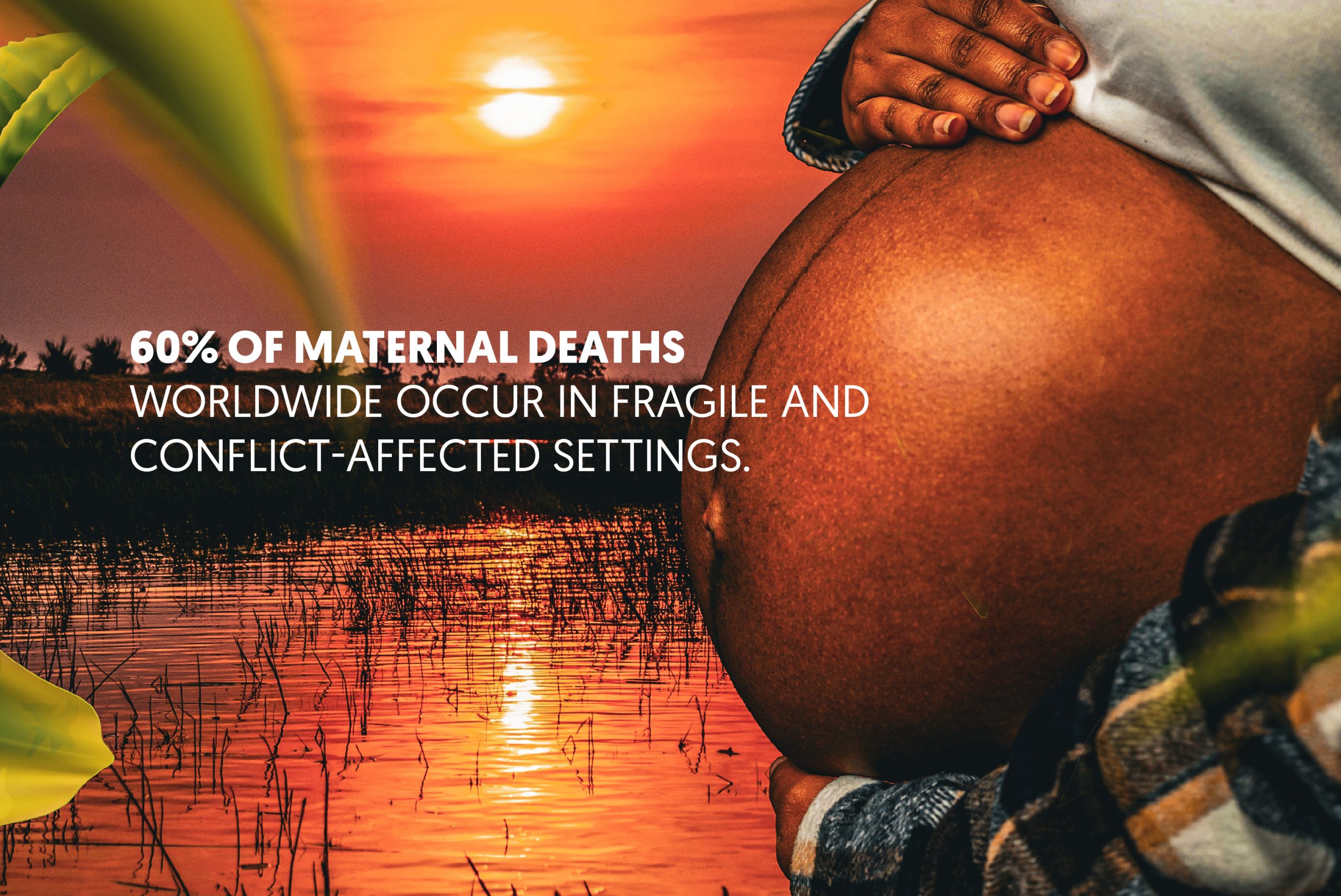
When health clinics are damaged and roads become impassable, access to medical care is severely disrupted.
Why this is a gender justice issue: This particularly affects pregnant people, those who are ill, and others requiring regular or urgent care, putting their health and well-being at greater risk. Pregnant people need prenatal care and safe places to deliver babies. 60% of maternal deaths worldwide occur in fragile and conflict-affected settings.
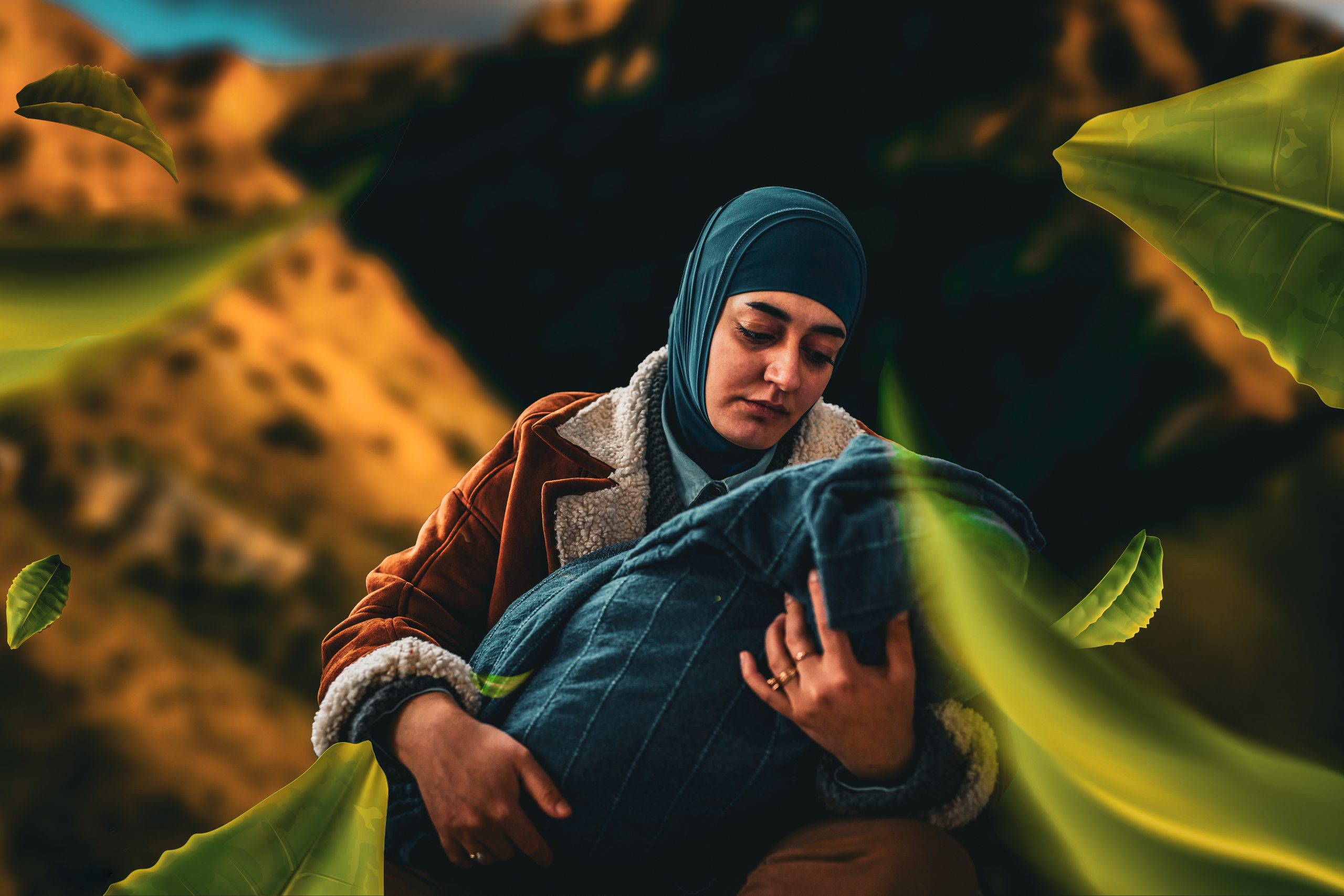
When families are displaced to emergency shelters, everyone faces uncertainty and disruption.
Why this is a gender justice issue: Women, girls, and gender non-conforming individuals often face heightened risks of abuse, exploitation, and insecurity, particularly in overcrowded or under-resourced settings where privacy and protection mechanisms are limited.
GIVE TODAY TO SUPPORT GENDER JUSTICE
Your donation funds things like communities prepared before disaster strikes, early warning systems that save lives, food systems that withstand droughts and storms, community-led responses when crisis hits, and more.
Our Partners are Sharing What Works
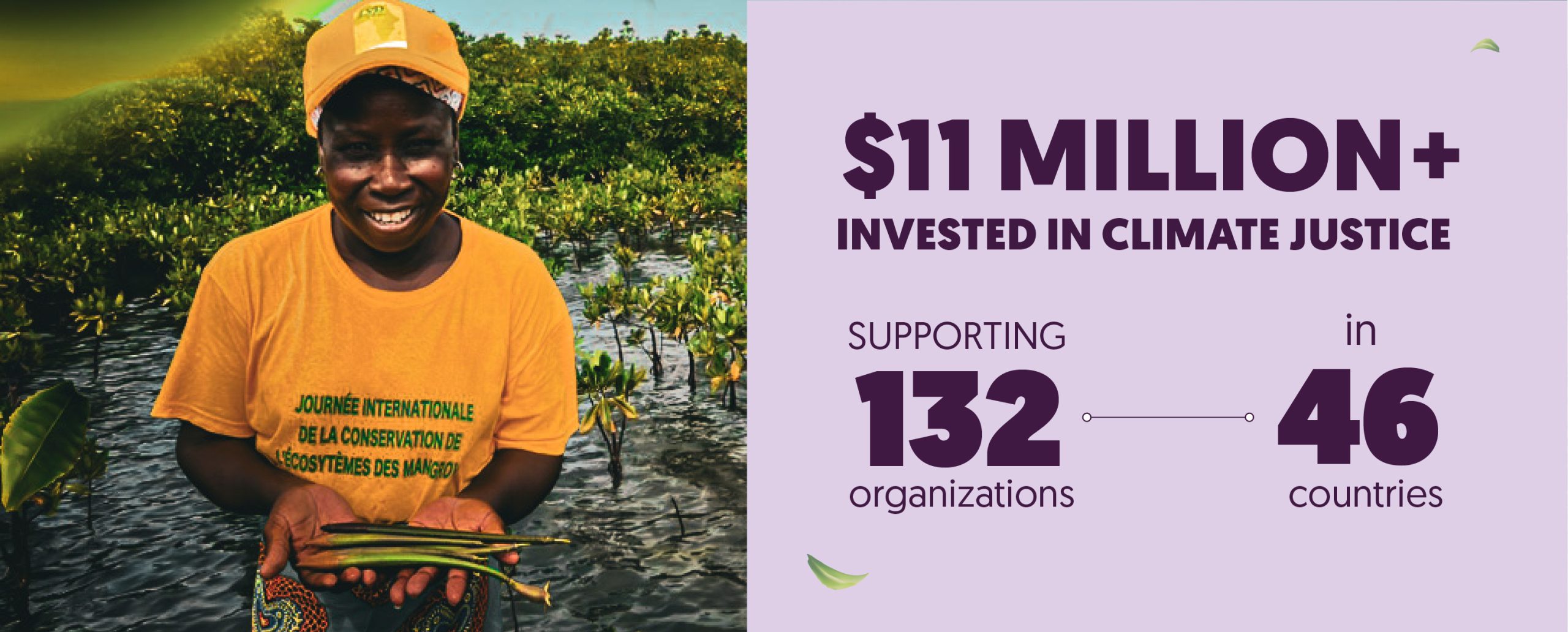
The Jamaica approach isn't happening in isolation. In the Caribbean, Africa, and the Pacific, grassroots feminist organizations are developing climate solutions that prepare them for their local conditions and address specific gendered risks and respond to the structural drivers of climate injustice.
- In the Caribbean, our partners are building sustainable food systems to withstand the impacts of intensifying storms and rising temperatures.
- In Zambia, our partners are creating seed-sharing networks and training farmers to grow growing drought resistant crops. By restoring seed banks, they’re ensuring sustainable food production and helping families feed themselves even when the rains don't come.
- In the Pacific, our partners are developing early storm warning systems to save lives before cyclones hit.
Global Fund for Women brings our partners together in person so they can share solutions that are working in their communities and build on each other's successes. The outcome: communities are prepared before disaster strikes. Early warning systems save lives worldwide. Food systems feed families.
Why Climate Adaptation Matters Now
We can't reverse decades of carbon emissions overnight. The storms are here. The droughts are intensifying. Communities are already facing the crisis—and responding with solutions.
What we can do is ensure that the people on the frontlines have the resources to prepare, adapt, and protect themselves when climate disasters hit—while addressing and transforming the extractive systems at the root of this crisis.
This is what climate resilience looks like. This is why supporting feminist climate solutions matters.
GIVE TODAY TO SUPPORT GENDER JUSTICE
Your donation funds things like communities prepared before disaster strikes, early warning systems that save lives, food systems that withstand droughts and storms, community-led responses when crisis hits, and more.
Related Articles