



Women's History Month
Funding Feminist Change for the Long Haul
"Real change takes time. Some campaigns succeed in a few years, but many are built on decades of work, some might take 20 years… And that means funding must be long-term, flexible, and responsive to the realities on the ground. The movements that win are the ones that are resourced to endure."
— Global Fund for Women grantee advancing reproductive justice in Kenya
In Morocco, feminist organizations spent twenty years building relationships, mobilizing communities, and advocating for legal change — so that when a rare window to reform national laws opened, they were ready. In Kenya, young women trained in civic leadership took on corruption so effectively that six of them now hold government positions. This progress did not begin this year, or even this decade. It has been built over years of organizing, relationship-building, and persistence.
Today this urgent work is under threat: we are facing a backlash against feminist movements, and in many geographies our rights and bodily autonomy are on the line. Still, we know that change isn’t just possible—it’s happening right now. We see our partners advancing gender justice every day around the world.
This Women’s History Month, we are celebrating what feminist grassroots organizations and movements can achieve when funding matches their long-term vision: change for the long haul.
1. Peru: Protecting Comprehensive Sexual Education
The challenge:
Sex education has been banned from schools in Peru—a win by a conservative movement in Latin America. As a result, students and adolescents lost access to an important pathway for accurate, evidence-based information about their bodies, relationships, and rights.
Our partners’ response:
A Global Fund for Women grantee partner developed a digital comprehensive sexual education guide in partnership with adolescents, caregivers, and educators. The guide helps young people understand their rights and stay safe online. It also gives families and educators the tools to have conversations to prevent violence and defend sexual and reproductive justice. Although the anti-gender movement succeeded in banning comprehensive sex education in schools, feminist groups adapted, ensuring young people still had access to accurate, affirming information.
2. Kenya: Challenging Corruption Through Feminist Leadership
The challenge:
Corruption perpetuates injustice. We see it when a feminist organization has to pay a bribe to open a bank account, or when systemic corruption and fees block survivors from getting justice. One Global Fund for Women grantee in Kenya decided to confront corruption in local communities. Through training in civic engagement, budgeting, and policy analysis, they built tools to act.
Our partners’ response:
This grassroots group drafted a proposal , presented it at community forums, and successfully pushed local leaders to respond. They also contributed to a successful Supreme Court environmental case against a polluter.
Today, six of the young women in this group hold government positions—including roles in the Senate, County Assembly, the Woman Representative’s Office, and the National Assembly. They have established oversight committees to monitor corruption and strengthen accountability from within government itself.
3. Morocco: Advancing Family Law Reform
The challenge:
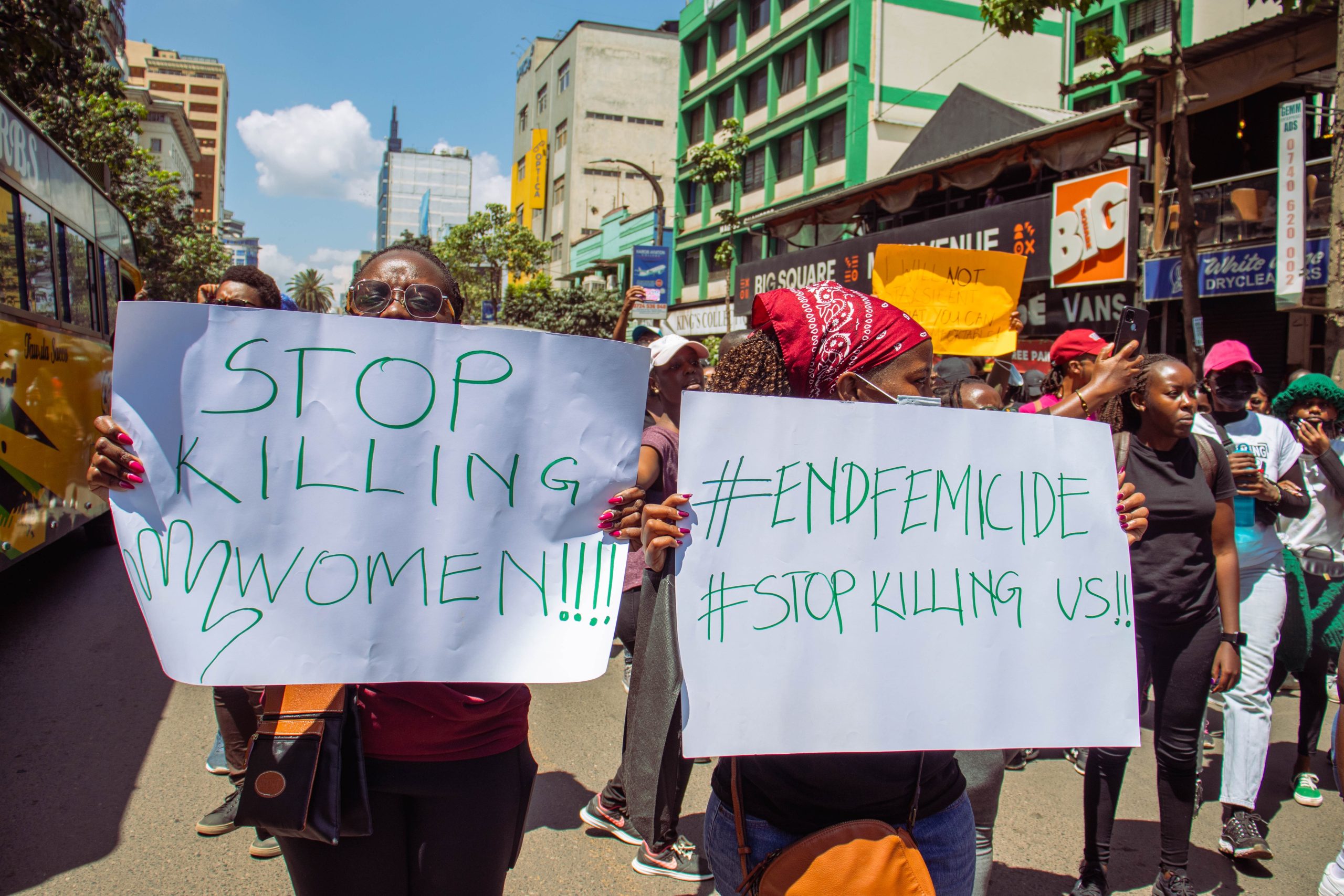
Global Fund for Women has supported feminist organizations in Morocco for over two decades as they helped communities understand their legal rights and advocated for fairer family laws. When the government opened a rare window in 2024 to revise the Moudawana (Family Code about marriage, divorce, and custody) to be more equal for women and girls, the opportunity was brief, and uncertain: just as feminist organizing gained momentum, major international donors froze funding, and many groups faced devastating cuts.
Our partners’ response:
Global Fund for Women provided rapid-response funding to key organizations to keep staff in place, community centers open, and parliamentary advocacy moving forward. Feminist leaders seized the opportunity and they won: The new draft reforms propose raising the minimum marriage age, restricting polygamy, and granting divorced women custody of their children after remarriage. As the revised code moves toward implementation, feminist organizations are actively shaping what comes next.
GIVE TODAY TO SUPPORT GENDER JUSTICE
4. The Balkans: Bearing Witness and Demanding Accountability
The challenge:
When Yugoslavia collapsed into war, feminist organizations immediately organized across conflict lines—documenting violence, opposing nationalism, and supporting survivors of wartime sexual violence. Decades later, accountability and reparations remain incomplete.
Our partners’ response:
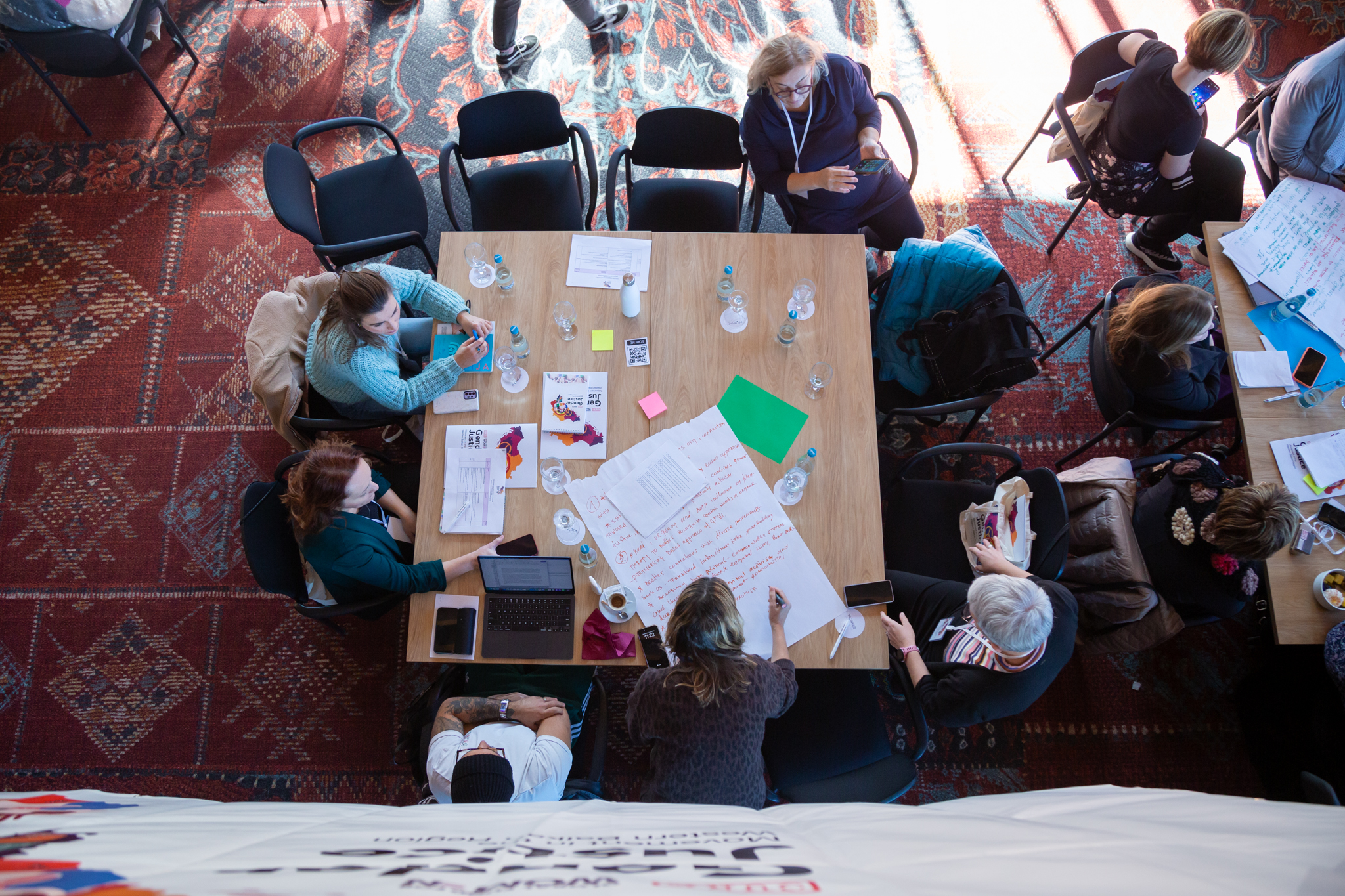
A Global Fund for Women grantee— one we have supported for more than 20 years—recently convened the seventh Women’s Court for the former Yugoslavia. Survivors from Bosnia, Kosovo, Croatia, and Serbia gathered to testify publicly about sexual and gender-based crimes experienced during wartime. These feminist courts are not legal tribunals. They are spaces where survivors insist that their experiences be part of the historical record, and that the truth be told in their own words.
Long-Term Funding Matters
Wins years in the making need support that lasts just as long. A reform window that opens once a decade requires organizations that survived the years in between. Young leaders who challenge corruption need training and support that follows them into public office.
When feminist grassroots organizations are resourced—with flexible, long-term funding—the gains belong to all of us: more safety, more rights, stronger communities.
This International Women's Day and throughout March, we invite you to be part of it. Every donation made in March will be matched by a generous group of donors, up to $50,000. This means that every $5 you donate equals $10.