


What Sexual and Reproductive Justice Looks Like
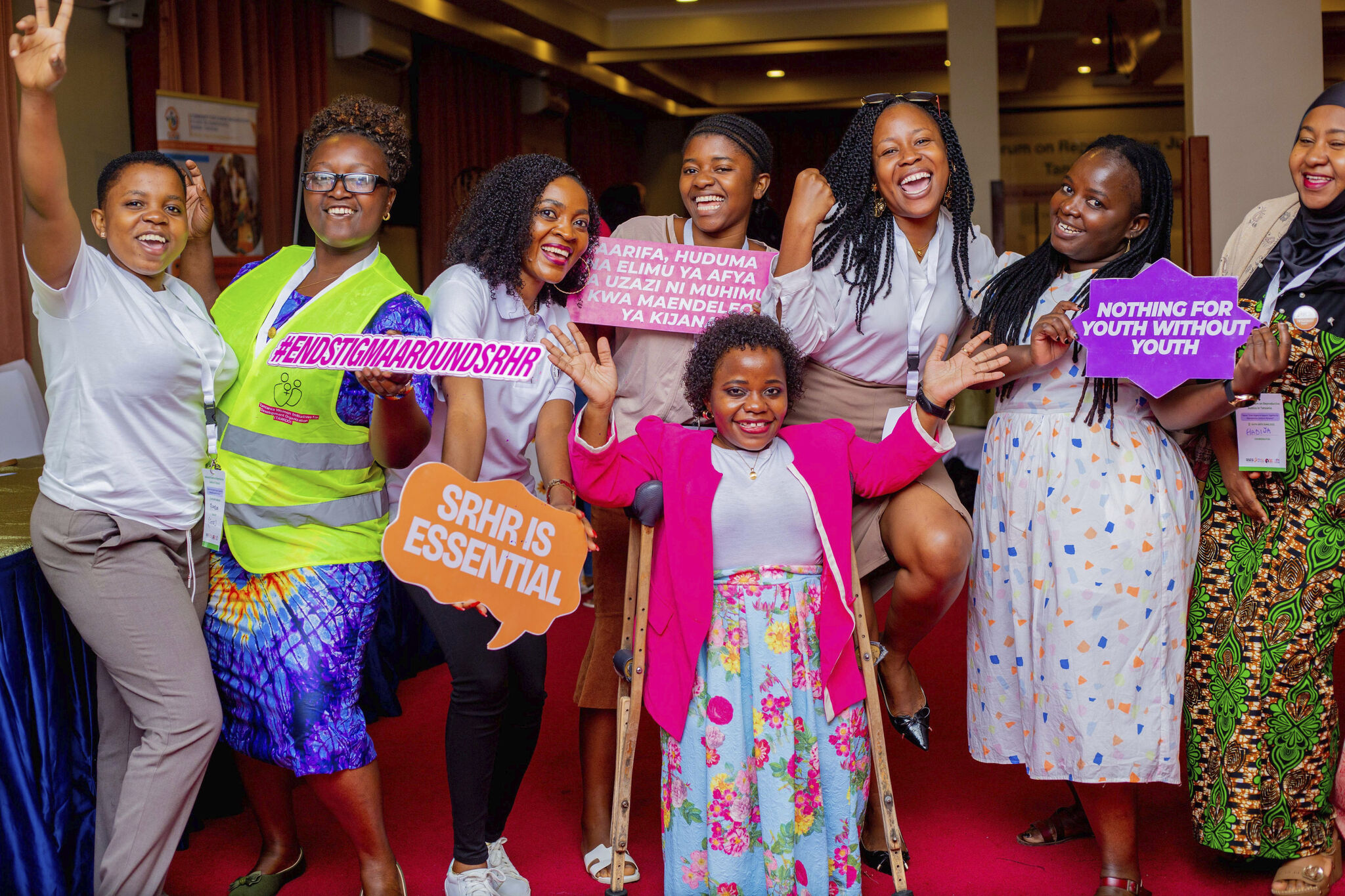
What is Sexual and Reproductive Justice?
Sexual and reproductive justice covers a wide range of experiences, needs, and rights. It's the teenager who needs contraception but has nowhere safe to turn. It's access to menstrual products. It's access to sexually transmitted infections (STIs) and HIV testing. It's a healthcare worker trained to provide compassionate care. It's the freedom to decide if, when, and how to have a child — and the support to do so safely.
What Stands in the Way of Sexual and Reproductive Justice?
- Limited Access to Care: When clinics are far away, too expensive, or too few, people cannot get the healthcare they need including prenatal care, contraception, safe abortion services, preventive screenings, and treatment for conditions like endometriosis and fibroids.
- Stigma and Shame: In many communities, seeking reproductive healthcare is seen as shameful. This keeps people from getting help, even when care is available.
- Violence: Gender-based violence creates urgent needs like safe abortion access after rape, treatment for injuries, and STI testing and treatment.
- Crisis and Conflict: In conflict zones, health systems collapse precisely when healthcare needs increase. Clinics close, supply chains break down, and pregnant people and survivors of violence are left without care.
- Being Left Out: Black women, Indigenous women, LGBTQI+ people, people with disabilities, and young people are too often excluded from health systems that were not designed to serve them.
- Poverty: The cost of healthcare, transportation, and time away from work puts healthcare out of reach, especially for people living in poverty and in rural areas.
- Restrictive Laws: 40% of the world’s population lives in countries with restrictive abortion laws. But even where abortion is legal, cultural stigma, provider bias, and lack of trained clinics mean millions still cannot access safe care.
- A Global Rollback of Rights: In Uganda, health workers under US-funded programs have been required to sign agreements barring them from providing abortion-related services. In Kenya, anti-abortion groups have challenged the constitutional right to abortion. And US funding cuts are stripping millions of women globally of access to contraceptive care. These are not isolated incidents — they are part of a coordinated, well-funded global movement.
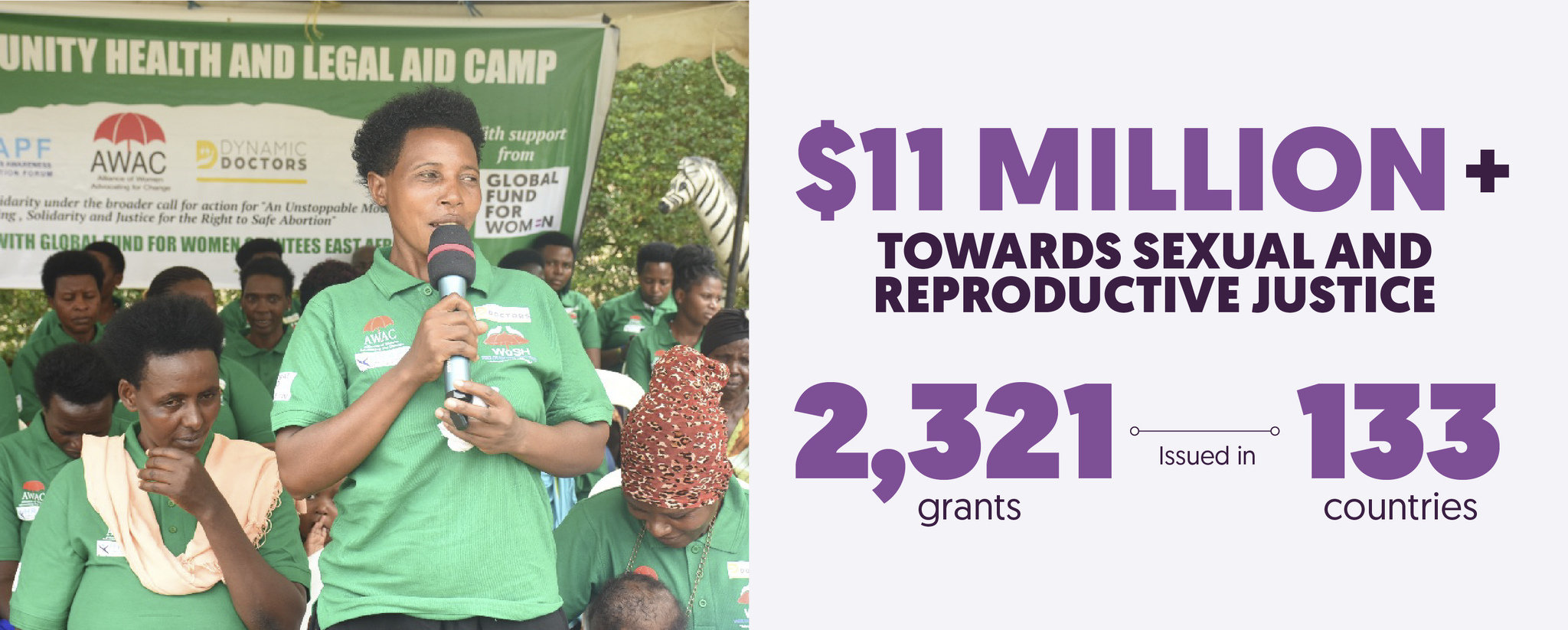
Why Supporting Feminist Grassroots Organizations Is Key
Our partner organizations are led by the communities they serve, supporting solutions that put people's health, rights, and bodily autonomy first.
When feminist grassroots organizations are well-resourced, the evidence is clear: they drive lasting change. They shift cultural norms. They hold governments accountable. They build the trust that allows people to seek care they would otherwise avoid. And they stay — long after international aid organizations have moved on.
And yet these organizations receive only a tiny fraction of global health and humanitarian funding. They are too often the last to be funded and the first to face cuts — even as they are the first to respond when crisis hits.
This needs to change. Investing in feminist grassroots organizations isn't just the right thing to do. It's the most effective way to advance sexual and reproductive justice that lasts.
Our Partners in Action
Building Knowledge and Breaking Stigma
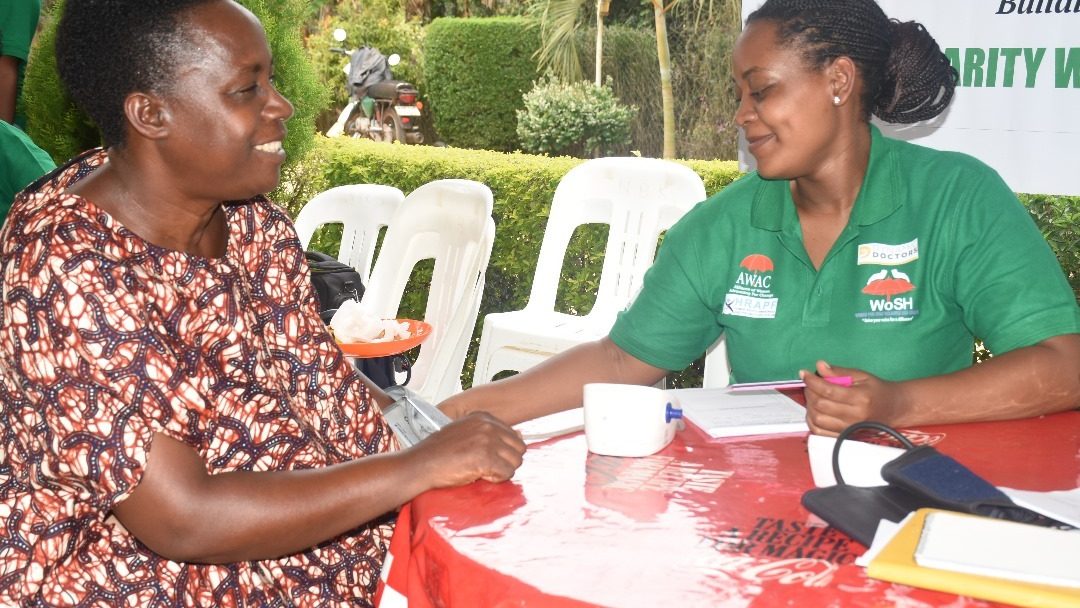
In western Uganda, women and girls face layered barriers to reproductive healthcare — from the distance to the nearest clinic and the cost of getting there, to the cultural norms and stigma that silence questions about their bodies and their rights. Our partner has educated more than 3,000 women, parents, and community leaders about the importance of post-abortion care. Through community outreach and health camps, they've also provided more than 1,500 adolescents with access to contraceptives, safe abortion services, and counseling, bringing care directly into communities.
Providing Safe Spaces and Legal Support
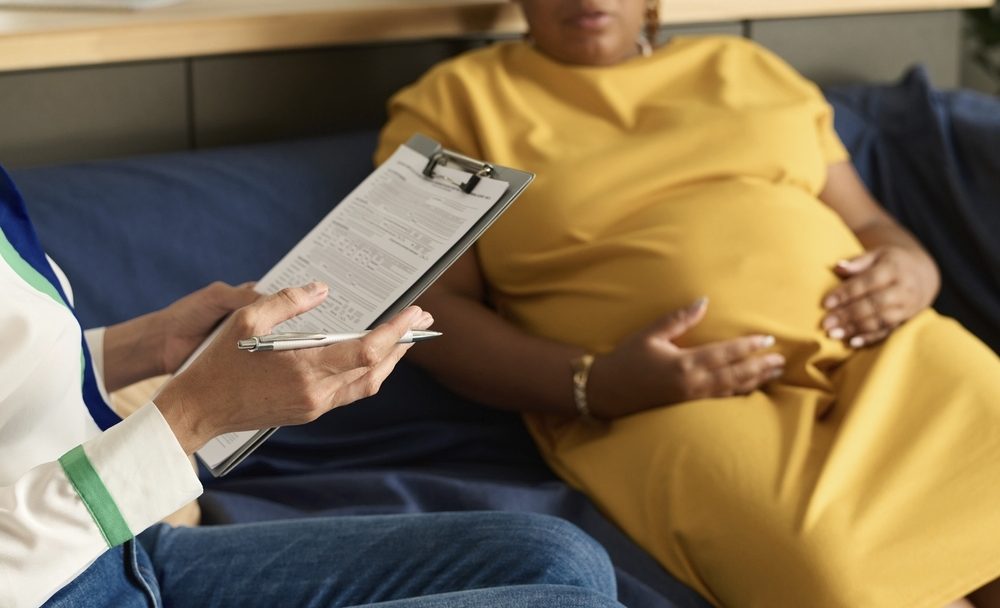
When a woman arrived at our partner's shelter in Albania seven months pregnant, she had visible signs of violence and had not received prenatal care. Our partner provided immediate medical care, legal support, and psychological counseling to ensure her pregnancy was supported and her safety was secured. Her former partner was sentenced to 14 years in prison. Today, she’s pursuing a university degree in Law with plans to specialize in Human Rights, so she can protect others the way she was protected.
Defending Rights in the Digital World
In Peru, our partners began as a group of university students who saw a gap in how online violence was being addressed. They have grown into a cyberfeminist organization highlighting the violence faced by women and LGBTIQ+ communities online and working to resist it. Through workshops on comprehensive digital sexuality education, digital self-defense, and personal data protection, they help adolescents recognize and respond to online risks, from cyberbullying and sextortion to disinformation about sexual and reproductive health.

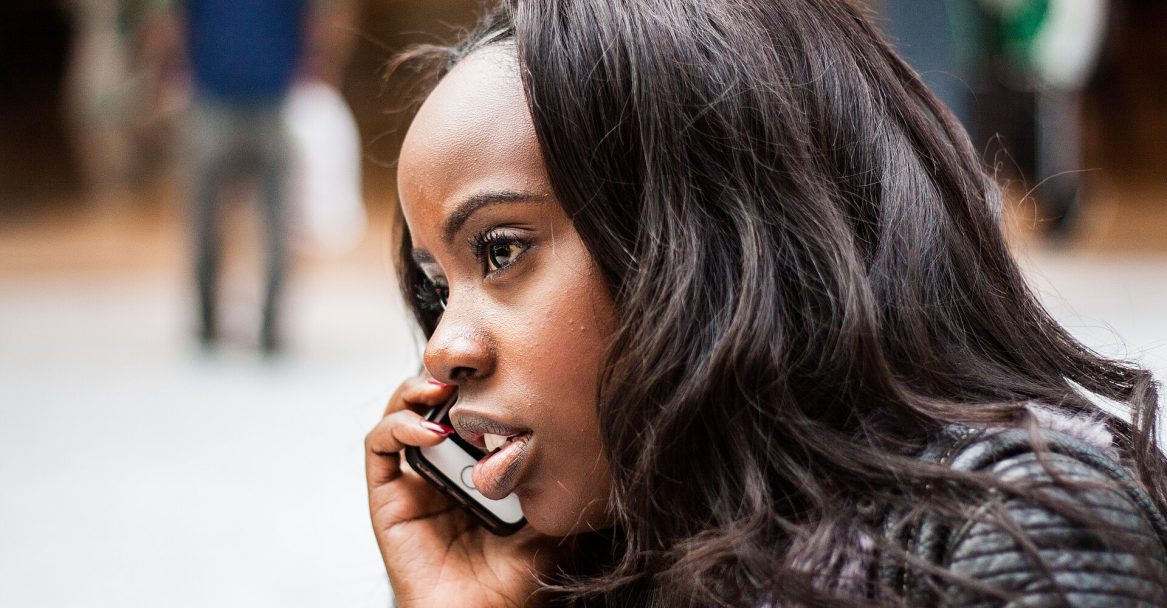
In Kenya, abortion is severely restricted, and for many women, accurate information about their rights and options is nearly impossible to find. And without the right information, women make decisions that can be dangerous. Our partner in Kenya has spent over a decade changing that. Through a dedicated hotline, they answer more than 3,600 calls a year — connecting people with accurate information about their rights and where to access safe care. To date, they have trained more than 195,000 people on sexual and reproductive health and helped over 69,000 community members access healthcare services.
How Global Fund for Women Supports Sexual and Reproductive Justice
We fund people, not just projects. Our grants go directly to feminist grassroots organizations led by and for the women and gender non-conforming people most impacted by reproductive injustice, because those living these realities are best positioned to drive change. The funding is flexible, so they can use it where it's needed most.
We support long-term partnerships. Real change takes sustained commitment. We don't just show up in a crisis and disappear. We stay for the long haul, because lasting change requires lasting investment.
We address the root causes. Reproductive injustice doesn't happen in isolation. It overlaps with poverty, discrimination, violence, and conflict. We support solutions that tackle these interconnected problems together.
We support movement-building. Individual organizations can change lives. But lasting reproductive justice requires movements — connected, resourced, and powerful enough to hold governments and health systems accountable. We invest in building that collective power.
GIVE TODAY TO SUPPORT GENDER JUSTICE
Your donation can fund our partners' work, including:
✓ Hotlines connecting people to safe abortion information and care
✓ E Community education that breaks down stigma and builds knowledge
✓ Safe spaces for survivors of gender-based violence
✓ Training healthcare providers to deliver care without judgment
✓ Digital safety tools that protect young people's rights online
✓ And more...
Related Articles