


INNOVATION IN ACTION
GENDER JUSTICE DATA HUB
Combining data and feminist analysis to move resources where they're needed most.
The movements shaping the future of gender justice often begin long before they make headlines. Grassroots feminist organizations are usually the first to recognize emerging threats, mobilize their communities, and create solutions—but they're often the last to receive funding.
The Gender Justice Data Hub helps us change that. By combining publicly available data, feminist analysis, and trusted relationships around the world, we identify emerging organizing, generate insights, and move resources when and where they're needed most to strengthen both immediate action and longer-term organizing.
How does it work?
The Gender Justice Data Hub combines public data, technology, and movement knowledge to better understand how gender justice movements emerge and evolve. We analyze movement activity, validate what we're seeing through our global network of partners and advisors, and generate insights that inform funding decisions and strengthen learning across the field.
FROM INSIGHTS INTO ACTION
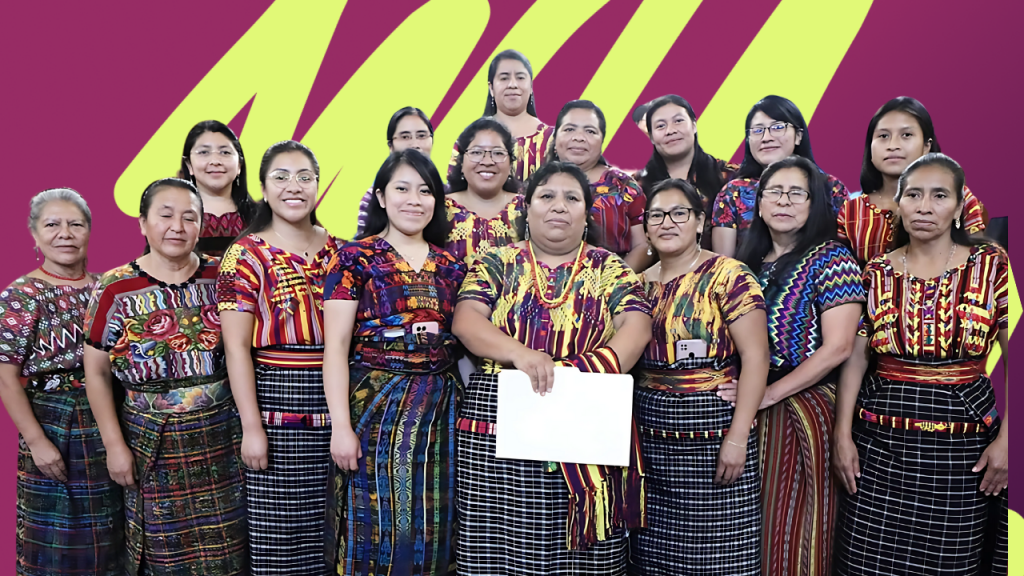
Through our Gender Justice Data Hub, Global Fund for Women monitors unusual spikes in protest activity in order to identify key moments of feminist movement mobilization in 195 countries. Early tracking of Guatemala in March 2023 detected a surge in protests that signaled the rise of a pro-democracy movement. Asociación Grupo Integral de Mujeres Sanjuaneras (AGIMS), an Indigenous, women-led organization, helped lead these efforts. These insights were crucial in anticipating resistance efforts and channeling support to activists on the ground to fuel their impact.
We then collaborated with a sibling feminist fund to provide AGIMS with immediate, flexible funding, enabling them to sustain their resistance and lead 106 days of protests. With this support, AGIMS successfully transitioned from physical resistance to strategic mobilization—engaging with state officials such as the newly elected president and the head of the women’s ministry, advocating for women’s rights, planning governance training for other Indigenous-led collectives, and supporting other grassroots groups’ attendance at national and regional convenings.
HOW WE LEARN AND RESPOND TO CONTEXTS
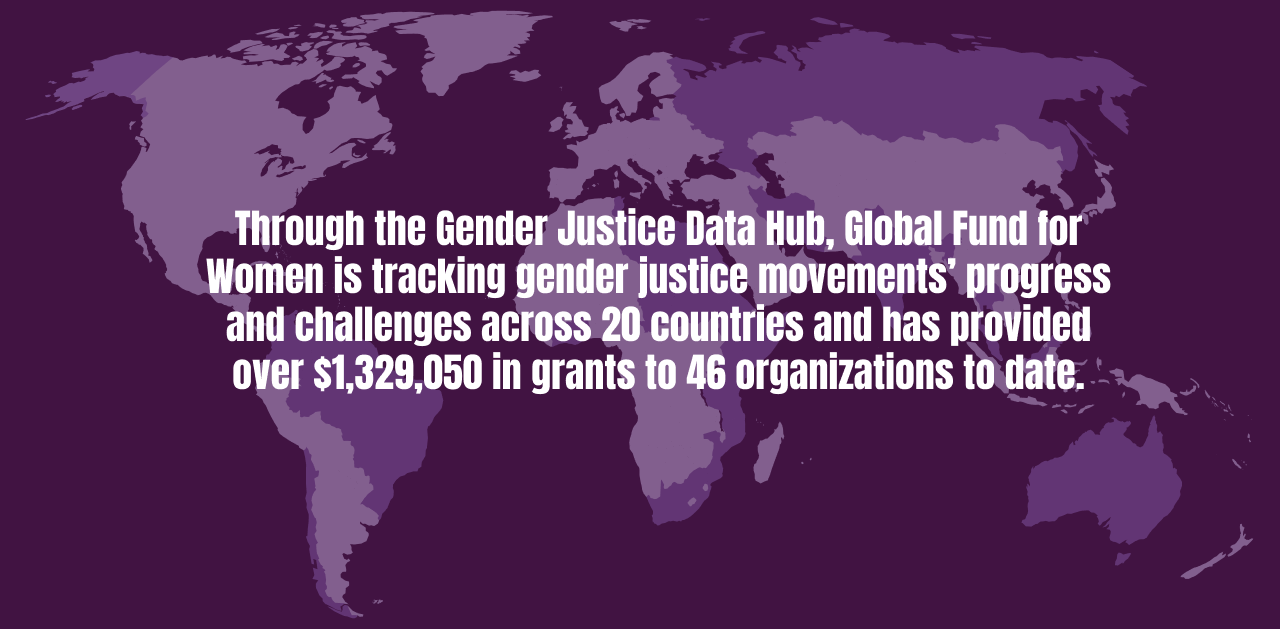
The Gender Justice Data Hub brings together a suite of tools that help us understand how gender justice organizations and movements emerge, grow, and respond to changing contexts. We prioritize countries with high levels of gender justice mobilization and significant participation from women and historically marginalized groups.
Our work combines movement data with the expertise of a global network of analysts, partners, advisors, and movement leaders who help us interpret findings, deepen our understanding of local contexts, and generate insights that inform our grantmaking and contribute to broader learning across philanthropy. Learn more about our tools:
Social Movements Index
Tracks levels of civic mobilization across 195 countries, helping us identify where gender justice movements are emerging and gaining momentum.
Peak Detection Algorithm
Flags unusual spikes in protest activity within countries, helping us identify critical moments of mobilization and emerging movements that may benefit from timely support.
Movement Capacity Assessment Tool
Provides movements with a participatory self-assessment tool to help identify strengths, assess organizational capacity, and plan for resource allocation and long-term growth. You can request access to the tool here.
Movement Mapping Assessment Process
Uses social network analysis to map relationships across movement ecosystems to better understand collaboration, resource flows, and opportunities to strengthen collective action. Visualizing these connections helps inform strategies for movement building and support.
Agendas Mapper
Analyzes protest data to identify recurring themes over time, helping us track how gender-related agendas shift and develop.
Analysts in Residence:
A network of Data Scientists based in the countries we analyze, producing real-time insights on gender justice movements.
We are investing in innovation, data, and technology because we believe they have the power to propel the support for gender justice movements that are often overlooked and underfunded.President and CEO

Gender Justice Data Hub In Action